
London Rental Handover: Repairs and Safety Between Tenants
Use the void period as a risk control window

A London rental handover is easier to control when the short gap between tenancies is treated as a planned maintenance window, not a last minute tidy up. Empty access gives landlords and letting agents the chance to inspect properly, test services, repair wear, refresh tired rooms and prepare evidence before the next tenant receives keys.
The order of work matters. Safety and service checks should come before decoration, because fresh paint cannot compensate for a leak, a loose socket or heating that fails on the first cold evening. A calm sequence protects the move in date, reduces repeat callouts and gives the incoming tenant a property that feels cared for from day one.
It also creates a cleaner paper trail. Checkout notes, contractor photos, invoices and completion records help separate fair wear from damage, which can reduce disputes and make the next tenancy file easier to manage.
For agents, the same discipline helps with owner updates. A single prioritised list is easier to approve than scattered messages from different trades.
Check safety, electrics, plumbing and heating first
Start with the items that affect whether the home is safe, usable and compliant. Landlords should review their duties around safe rented homes, gas and electrical equipment, smoke alarms, carbon monoxide alarms and health hazards. The baseline is set out by GOV.UK landlord responsibilities, which is a useful reference before a new tenancy begins.
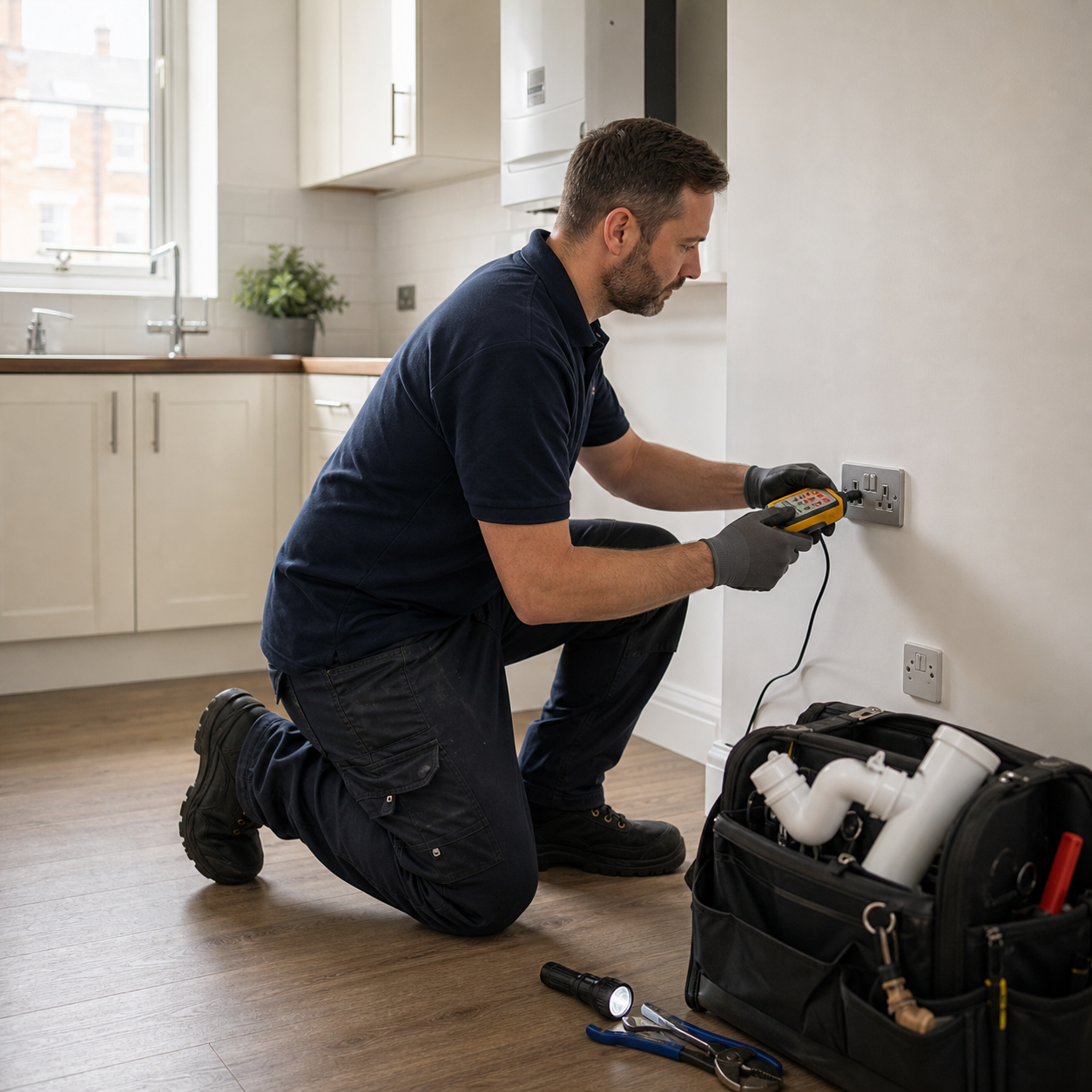
Electrics should be checked before walls are finished or furniture is moved back. Confirm whether the EICR is current, whether any remedial work is outstanding, and whether sockets, switches, lighting and consumer unit labelling are clear. If faults are found, arranging certified electrical work early avoids reopening finished rooms later.
Plumbing checks should cover taps, wastes, toilets, showers, isolation valves, water pressure and visible pipework. Look around baths, basins, kitchen units and appliances for staining, swollen timber or sealant failure. A slow drip during the void can become damaged flooring after occupation, especially when nobody is visiting daily to spot it.
Heating and hot water need a real test, not a quick glance at a control panel. Run the boiler, radiators, programmer and thermostat long enough to confirm the system responds as expected. Where gas appliances are present, the right registered professional must complete the required checks and paperwork before occupation.
Agents should also agree what counts as urgent before contractors arrive. Anything that affects security, sanitation, hot water, electricity, leaks or safe access should sit above cosmetic work. This keeps the programme realistic and helps owners understand why some items must be completed before viewings or key release.
Repair the fabric before refreshing the finish
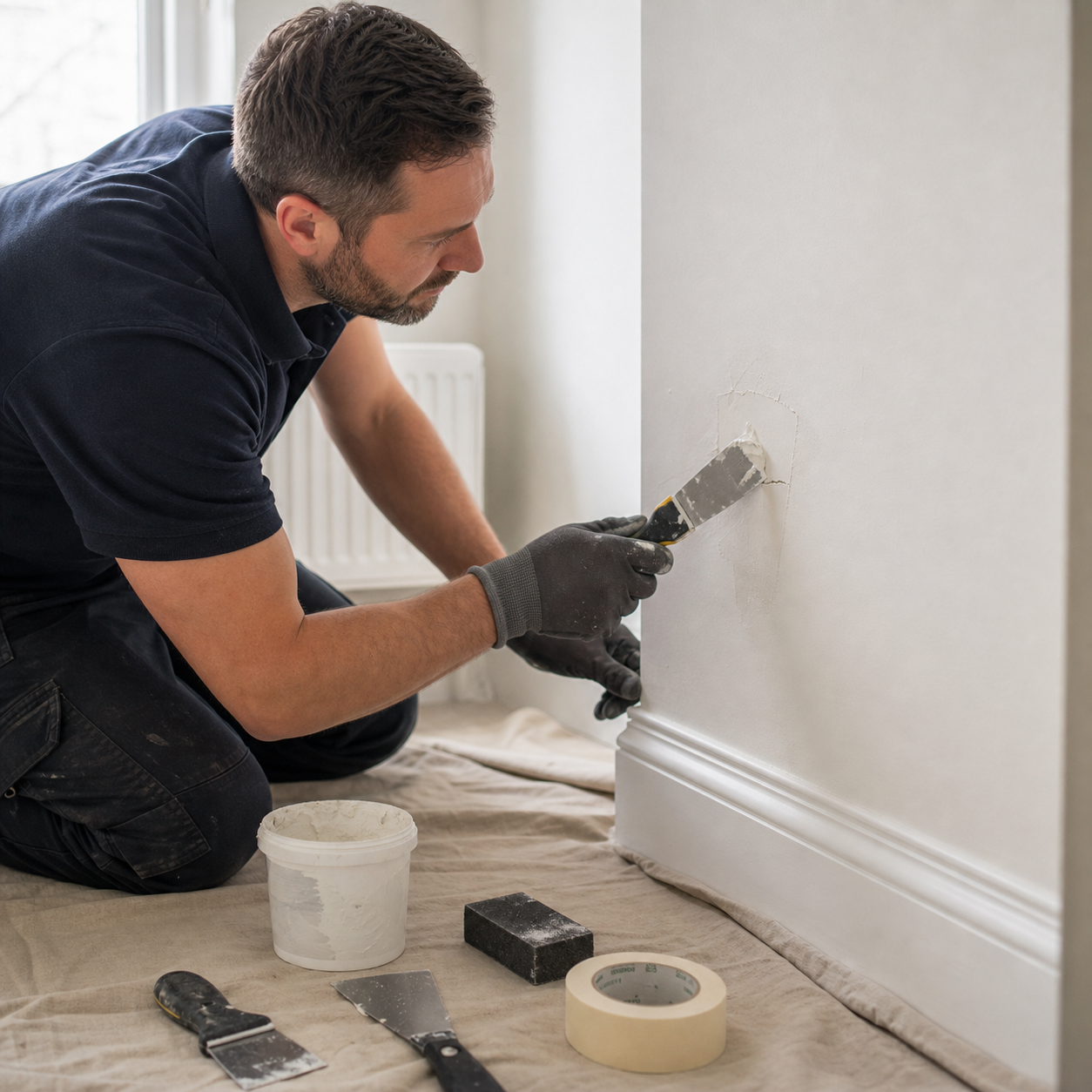
Once the safety critical items are under control, walk the property like a new tenant would. Loose handles, sticking doors, cracked sealant, damaged skirting, failed hinges, blown plaster, tired grout and minor wall damage all influence the first impression. They are usually small jobs, but they make a flat feel neglected when they are left for the next person to discover.
Good maintenance between tenancies also means looking for the cause behind cosmetic marks. Damp stains, mould spotting, swollen boards and recurring cracks should not simply be painted over. They may point to leaks, poor ventilation or movement that needs repair before decorating begins. Fixing the substrate first gives the final finish a better chance of lasting.
Compare the checkout report with the inventory and decide what needs repair, what is fair wear and what should be quoted separately. That keeps the maintenance visit focused and helps agents explain decisions clearly to owners.
This is where a single provider can reduce delay. Citywide Maintenance Solutions can combine general repairs, plumbing, electrical work and decorating so a landlord or agent is not waiting for several trades to visit in sequence. The aim is practical, a clean defect list, clear priorities and work completed in the right order.
Paint, document and hand over with fewer surprises
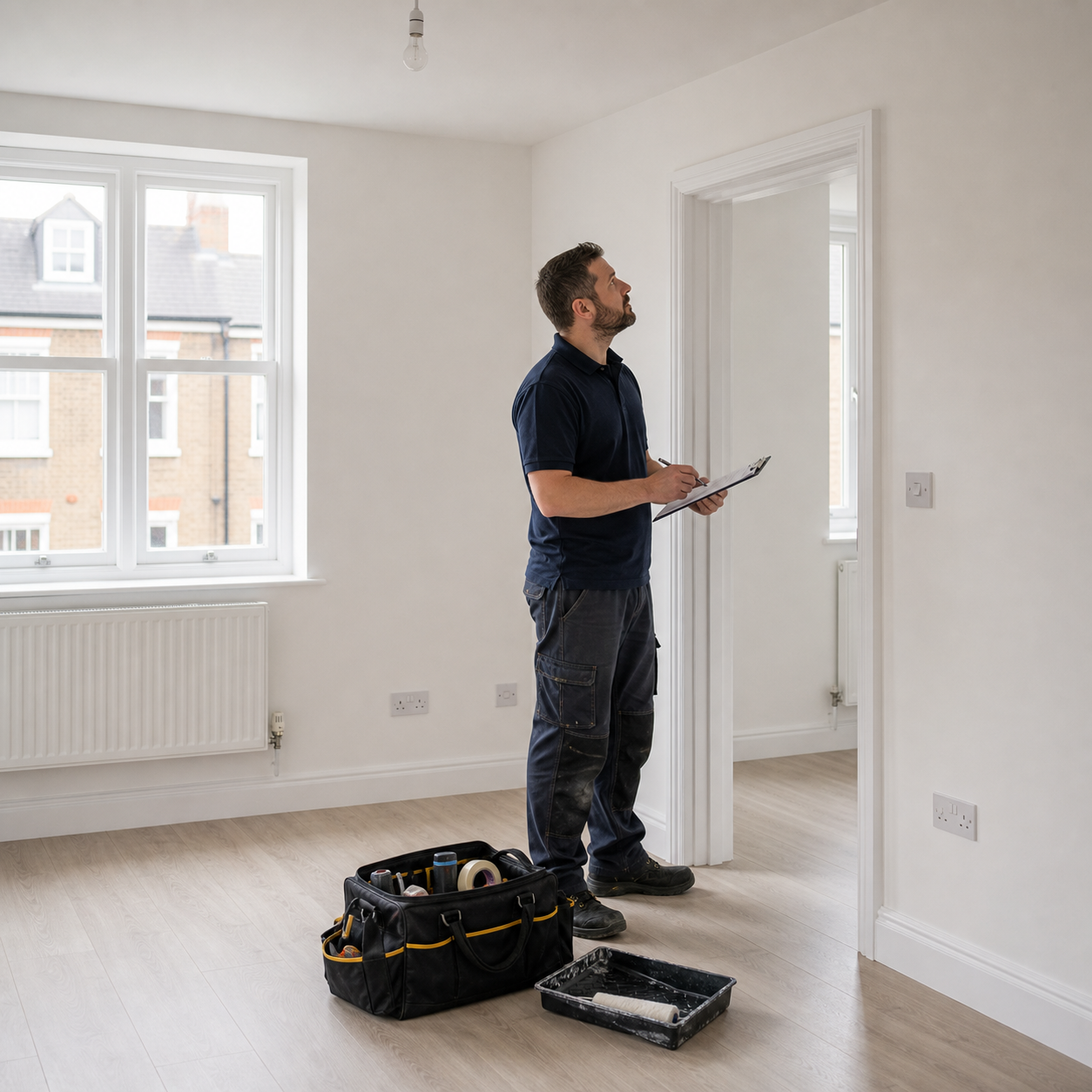
Painting between tenants should come after repairs, filling, sanding and stain blocking. Neutral finishes usually work best for London rentals because they photograph well, make rooms feel brighter and are easier to touch up later. Woodwork, doors and high traffic walls deserve particular attention because those are the areas viewers and tenants notice first.
The final pass should feel methodical. Test lights, locks, windows, appliances supplied with the property, taps, toilets, heating controls and ventilation. Check that waste has been removed, surfaces are clean, repairs are complete and certificates or job records are ready for the landlord or agent file. Photographs of finished work help distinguish fresh damage from fair wear during the next checkout.
Emergency repairs should still be separated from cosmetic preference. A leak, unsafe fitting or failed lock needs immediate action, while decorative extras can be scheduled around budget and marketing dates.
Citywide Maintenance Solutions supports rental property turnaround in London with repairs, plumbing, electrical work, emergency response and painting and decorating services. Used well, the void period becomes a short, organised handover process that protects safety, presentation and rental income.