
Beat the Heat: A Practical Plan for Keeping London Homes Cool
Keeping London Homes Cool: Start With Your Risk
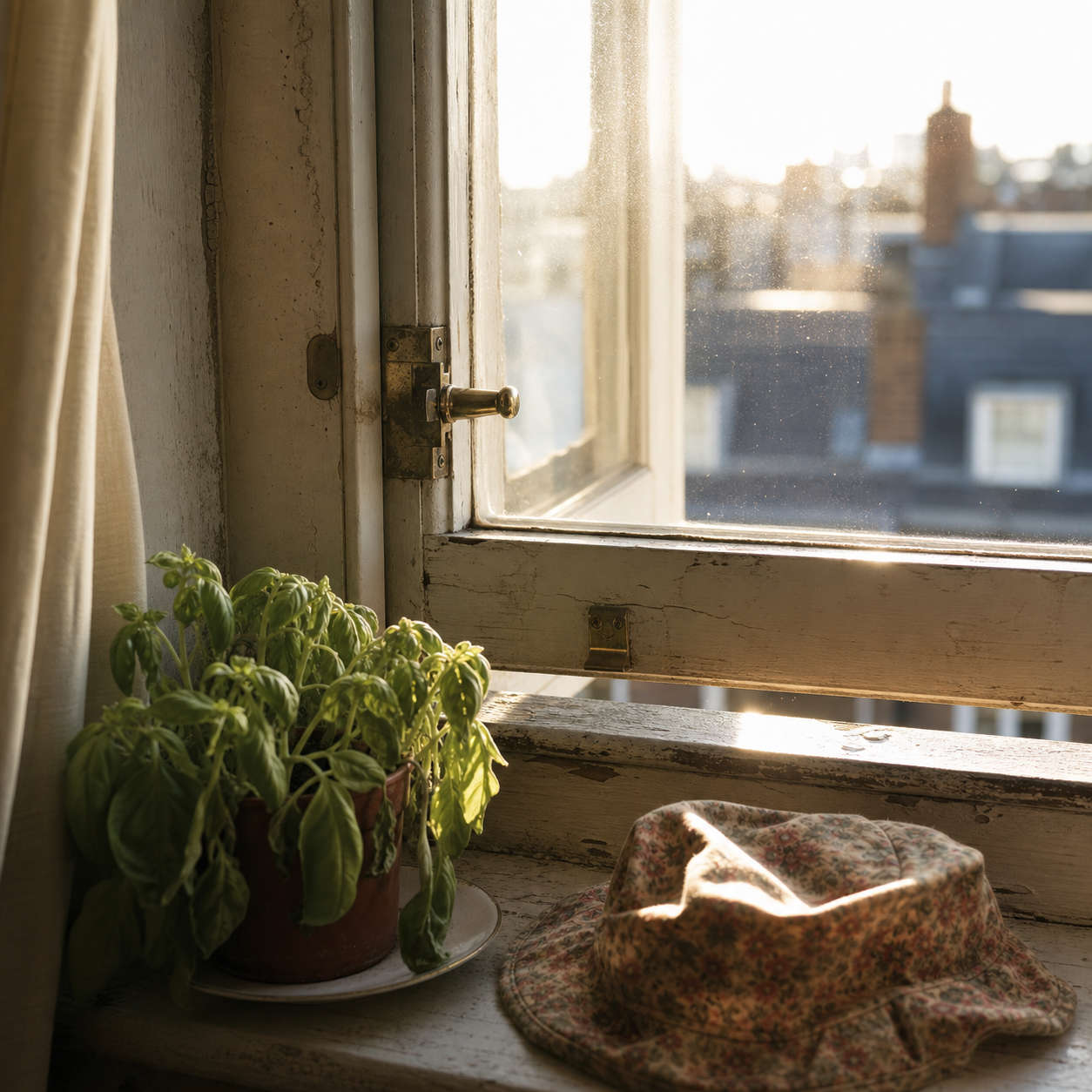
Keeping London Homes Cool begins with a simple question: does your property stay hot after a sunny day or overnight? If either answer is yes, look at how heat enters and whether it can escape safely. This quick check in every affected room helps you choose proportionate steps for reducing summer overheating.
- Is it a top floor flat, loft room or single aspect flat?
- Do large south or west facing windows lack external shade?
- Can windows open safely, and can air move between opposite sides of the home?
- Do cooking and appliances add heat for long periods?
Sunlight through glass becomes indoor heat, known as solar gain. A single aspect layout often restricts cross ventilation because air lacks a clear route through the property. Urban heat means buildings and streets may release warmth after sunset.
Take extra care around babies, older people, pregnant residents and people with health conditions. Renters may have fewer options for alterations, while security, noise or pollution can limit safe window use. Aim first to reduce avoidable heat and improve safe airflow; no single measure guarantees a cool home during every hot spell.
A Day and Night Checklist for a Hot Home
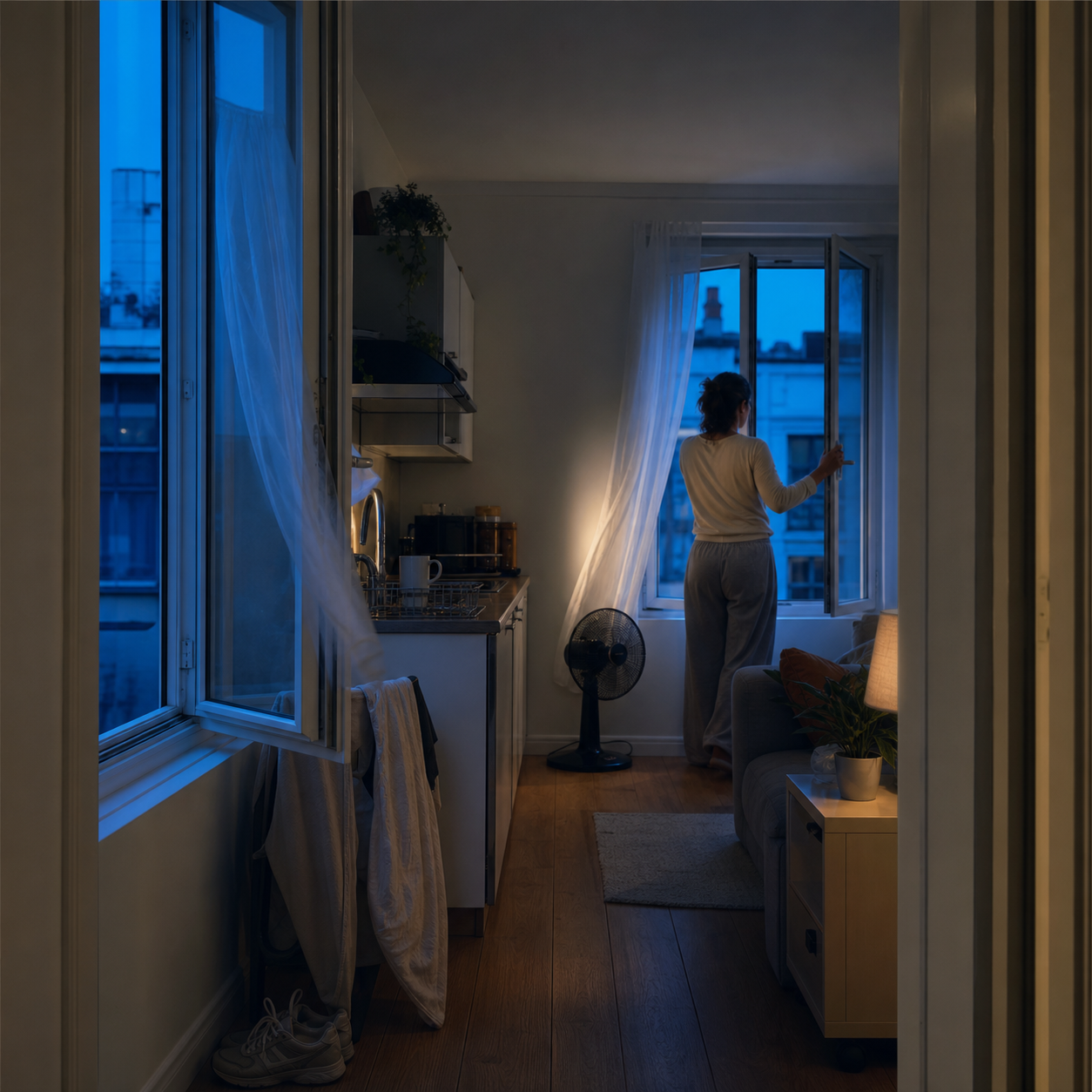
A simple routine can limit heat build up and make a warm spell easier to manage. Homes with south-facing glazing receive strong solar gain, while a top-floor flat or converted loft may also collect heat from the roof. Start early rather than waiting for rooms to become uncomfortable. This matters because glazing can admit sunlight faster than natural ventilation can release the resulting warmth later.
- Morning: Close curtains, blinds or shutters on windows that will face direct sun. External shading is particularly effective where it is secure and permitted. Switch off unnecessary lights and appliances, and avoid using the oven if practical.
- Daytime: When outdoor air is hotter than indoor air, close windows to slow heat entering. Adjust this for indoor air quality, cooking, moisture and any safety concerns. If air outside feels cooler, cautious ventilation may still help. Keep internal doors positioned to suit the coolest occupied room.
- Evening: Once the outdoor temperature falls below the indoor temperature, open windows on different sides to create a through flow. Only do this where windows can be opened safely, without compromising security or putting children, pets or vulnerable residents at risk.
- Health: Drink water regularly, wear light clothing and check people who may struggle with heat. Use the UKHSA keep cool at home checklist for official guidance and signs that require action.
Fans can provide useful personal relief by moving air across the skin, but they do not remove heat from a room. Place a fan securely, keep cables clear of walkways and follow its instructions. Never direct trailing cables across exits or leave equipment where it could fall. If the home remains excessively hot, move to the coolest safe space available and seek health advice if anyone becomes unwell.
Match Longer Term Improvements to Your Tenure
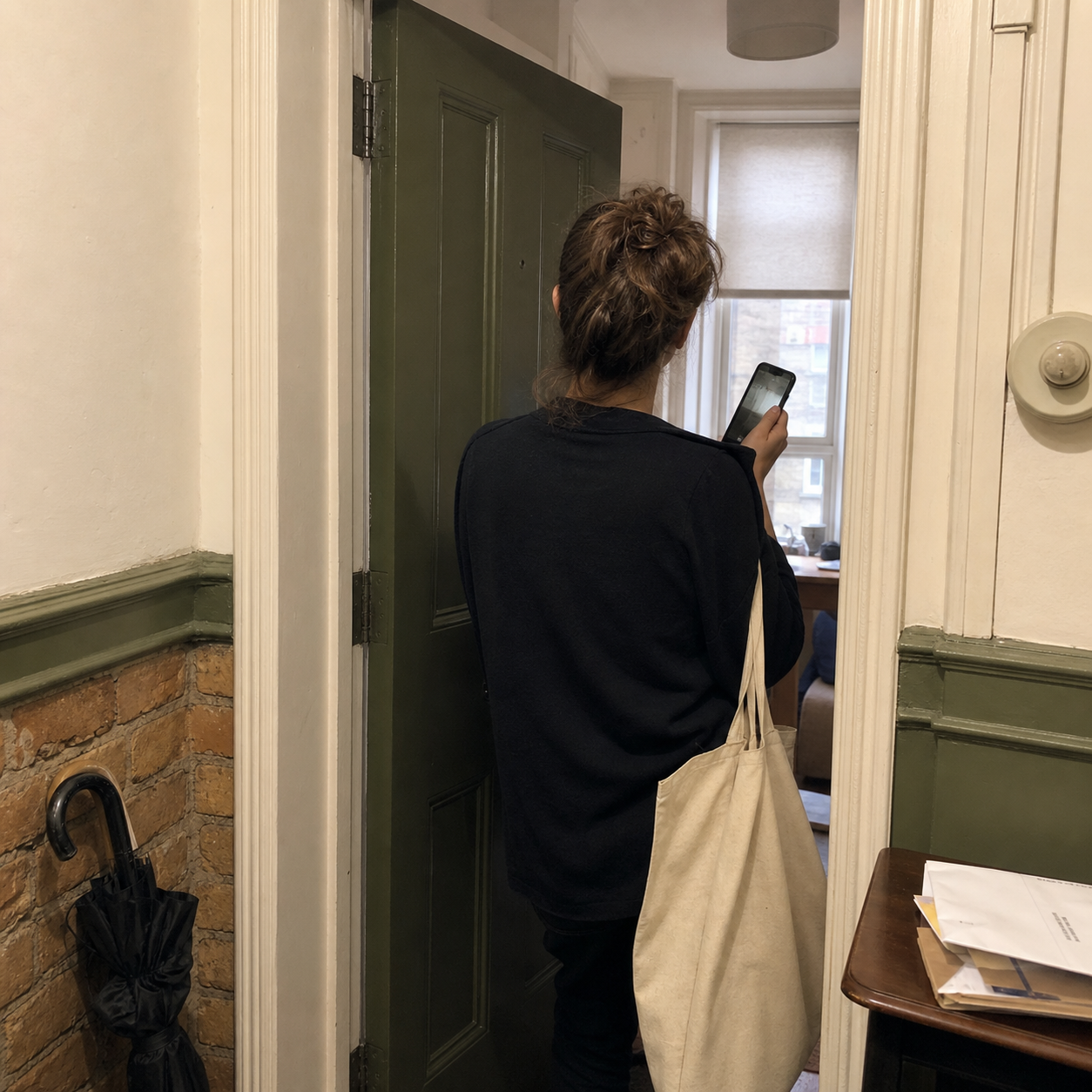
Longer term action should match who controls the property and begin with evidence rather than guesswork. Keep a simple record of hot dates, affected rooms and changes in comfort. The Heat Ready London plan notes that around one million London homes may be at high risk of overheating, so repeated problems deserve planned adaptation rather than a one off reaction.
- Tenants: Report sticking windows, failed blinds and defective extractors, supported by your record. Ask the landlord or managing agent for repairs, and obtain permission before arranging any fixed work.
- Landlords: Inspect repairable faults first. Then consider proportionate external shading, improved ventilation, suitable finishes, or targeted general home repairs as the building and tenancy allow.
- Homeowners: Check window operation, existing ventilation and internal finishes, then assess feasible shading before committing to larger work.
A measured escalation starts with correcting faults, then reviewing how shade and ventilation perform through several hot spells. If mechanical ventilation or another fixed electrical change is appropriate, use a certified electrician. Broader improvements can then be planned as a refurbishment, with priorities based on recurring evidence and the property’s practical constraints and household priorities.
When Repeated Overheating Needs Further Action
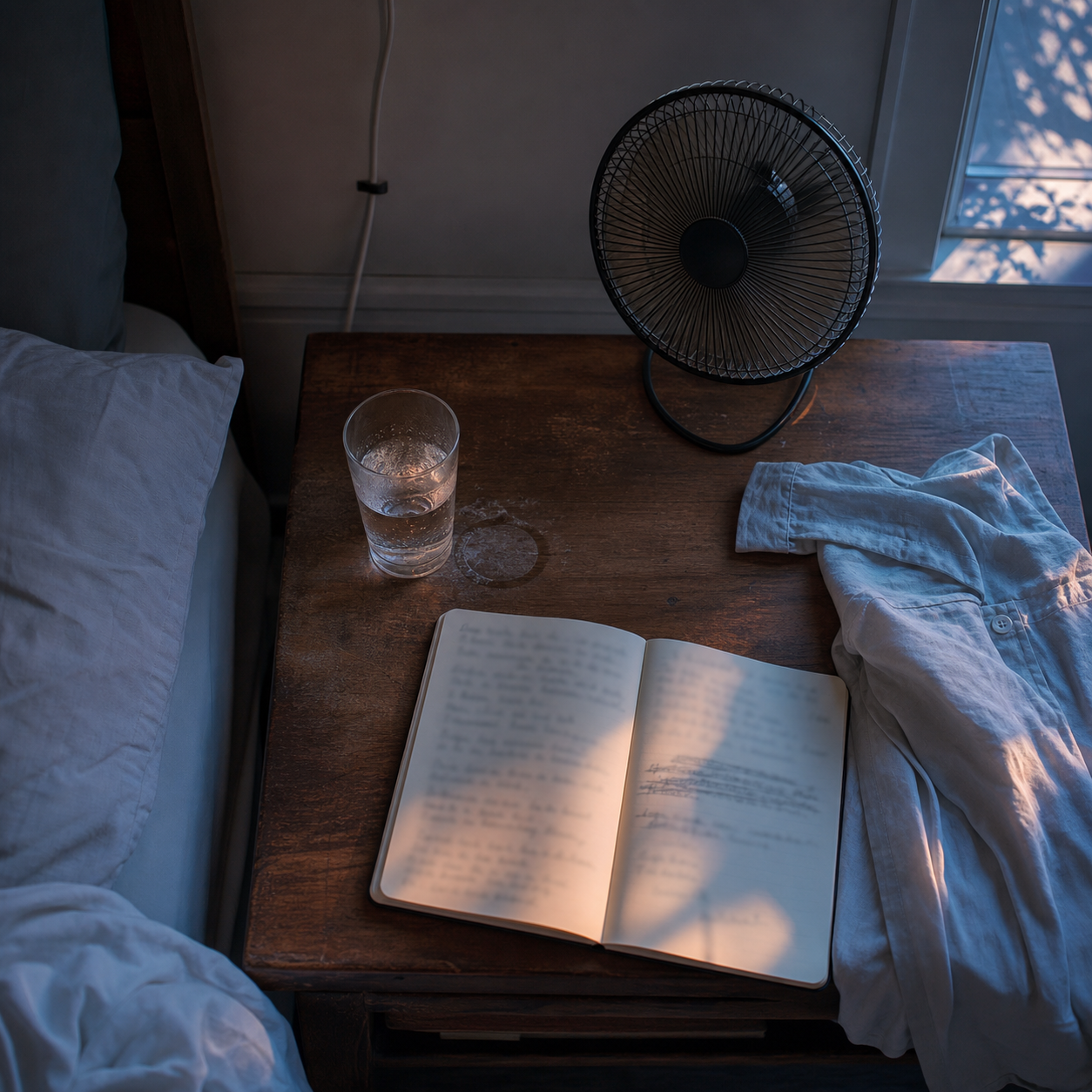
If the same rooms overheat repeatedly, keep a simple heat diary with dates, indoor conditions, which rooms are affected and what you tried. Test whether closing blinds or curtains before direct sun arrives, then ventilating during cooler hours, makes a clear difference. Record unresolved window or ventilation faults and rooms that stay persistently hot. This evidence can help separate everyday maintenance from a problem needing specialist assessment.
- Report urgent health concerns through appropriate medical or emergency channels.
- Tenants should keep writing to their landlord or managing agent and may ask the local council for guidance.
- Owners and landlords should seek a suitable specialist before structural changes, formal modelling or a complex retrofit.
Citywide does not install air conditioning or provide specialist overheating modelling. Where reducing summer overheating depends on work within our verified scope, such as general repairs, certified electrical work, plumbing, or painting and decorating, you can contact Citywide Maintenance Solutions for a practical discussion. There is no pressure to book. We can clarify whether the requested work fits our services and help address relevant maintenance items as part of sensible summer heat protection for homes.