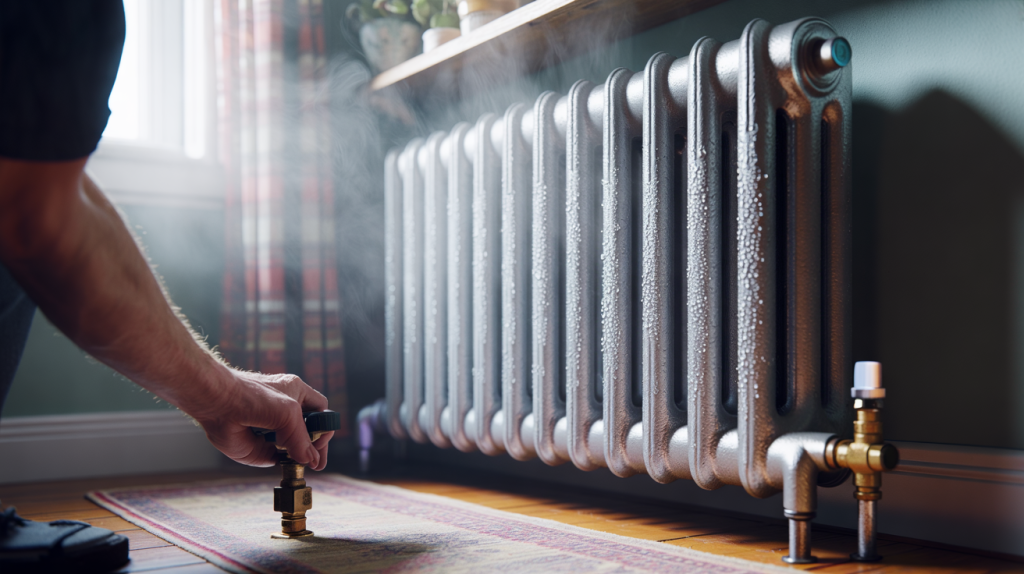
Radiator Cold at the Bottom: A Practical Guide for London Landlords
Understanding Why Your Radiator is Cold at the Bottom: A London Landlord’s First Step
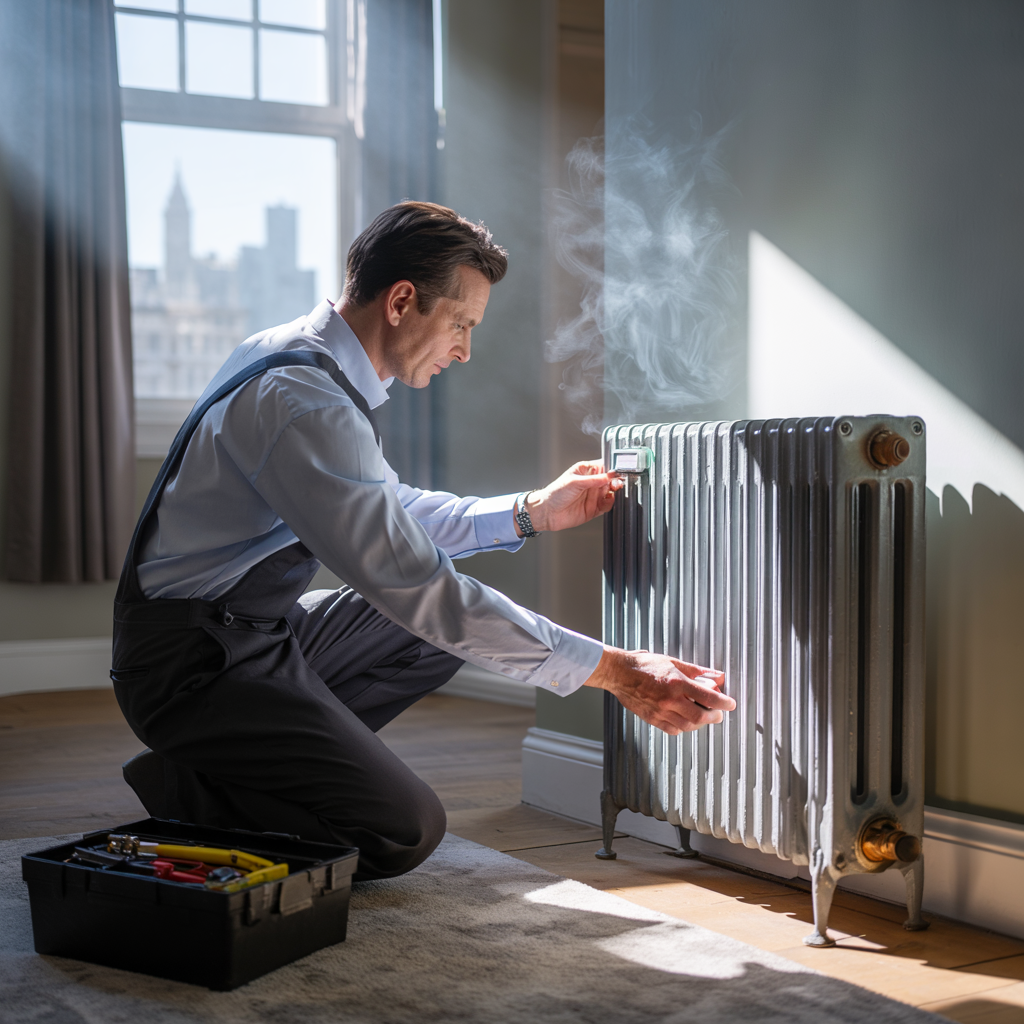
Your tenant’s just called. Again. The flat’s freezing, and despite the heating being on full blast, the radiator in the living room is stone cold at the bottom. If you’re managing rental properties in London, heating problems like a radiator cold at bottom aren’t just inconvenient—they’re a compliance risk. Under the Homes (Fitness for Human Habitation) Act 2018, you’re legally required to provide adequate heating. Failing to address heating problems in your rental property can lead to formal complaints, rent withholding, or even court action.
Add in your duties under the Gas Safety (Installation and Use) Regulations 1998, which mandate annual safety checks and ensure proper functioning of heating systems. You’ve got a situation that demands swift action. When a radiator’s not heating up properly in the UK, especially in older London properties with ageing systems, the usual suspects are sludge buildup, air locks, or a failing pump. These issues can crop up quickly in our hard water areas, leading to uneven heat and frustrated tenants.
The good news? Some fixes are genuinely DIY-friendly for busy landlords like you. Others, though, need a qualified engineer to avoid bigger problems. Knowing which is which protects your investment, keeps tenants comfortable, and helps you meet your landlord heating responsibilities in the UK. At Citywide Maintenance Solutions, we’ve handled countless cases of radiators cold at the bottom across London rentals. We’re here to guide you through deciding your next move with confidence, ensuring your properties stay compliant and efficient.
DIY Fixes for a Radiator Cold at the Bottom: Bleeding and Balancing Basics
As a busy London landlord, you need radiator fixes that are safe, simple, and repeatable without disrupting your day. If you’ve got a radiator cold at bottom, it’s often due to trapped air or poor system balance. Think of this as your practical bleed a radiator landlord guide—it’s not a fix for every problem, but it can resolve many common issues quickly.
Safety first: Always tell your tenants when you’ll be on site and remind them not to touch any valves while you’re working. Turn off the heating and let the radiators cool completely before starting. Never attempt to remove boiler covers or fiddle with gas controls—that’s for professionals only.
Tools you’ll need:
- A radiator bleed key or flat-head screwdriver
- An old cloth and a small tray or bowl to catch drips
- An adjustable spanner for the valves
- Access to your boiler for a quick pressure check
Bleeding a radiator step by step:
- Fully open the thermostatic radiator valve (TRV) to allow water flow.
- Position the cloth and tray under the bleed valve at the top of the radiator.
- Insert the key and turn the valve anti-clockwise slowly until you hear air hissing out.
- Keep going until water starts to trickle steadily, then close the valve firmly but gently.
- Repeat on other radiators if needed, then check your boiler pressure and top it up to the recommended level—usually 1-1.5 bar when cold.
For radiator balancing rental property, tackle it room by room and jot down notes for future reference. This ensures even heat distribution without overworking the boiler.
- Set all TRVs to fully open and turn the heating on.
- On the hottest radiators, partially close the lockshield radiator valve (the one without numbers) by turning it clockwise in small increments.
- Feel the radiators after 10-15 minutes—adjust until they all warm up at a similar rate, hot at the top and bottom.
If these steps don’t sort fixing cold radiators in rented property, or if tenants report ongoing issues, it’s time to call in a qualified heating engineer. Don’t risk your compliance or safety.
Spotting Sludge and Other Complex Issues: When DIY Isn’t Enough
If bleeding and balancing haven’t fixed your radiator cold at bottom, it’s time to look deeper—sludge buildup might be the real culprit. Sludge in central heating system symptoms are telltale: radiators cold at the bottom while hot at the top, gurgling noises from pipes, frequent boiler lockouts, and radiators taking ages to warm up. In London, our hard water speeds up magnetite buildup, as highlighted by Gas Safe registered experts, clogging your system and reducing efficiency over time.
Ignoring this can lead to serious combi boiler issues, like pump failure or blocked heat exchangers, not to mention legal headaches under the Homes (Fitness for Human Habitation) Act 2018 and Gas Safety Regulations. As a landlord, you’re obliged to maintain a safe, habitable heating system, so prompt central heating system diagnostics are essential.
A power flush is often the best solution to clear out the sludge. Power flush central heating London cost typically ranges from £400 to £600, depending on system size, but it can save you 10-15% on energy bills, according to Ideal Heating. For TRV repair landlord needs, faulty thermostatic radiator valves can also cause uneven heating—get them checked by a pro.
At Citywide Maintenance Solutions, our Gas Safe registered engineers specialise in these diagnostics for London rentals. We spot sludge and other issues early through proactive audits, helping you avoid breakdowns, comply with regs, and keep tenants happy without the hassle.
Maintaining Your Rental’s Heating System: Prevent Future Cold Radiator Woes
Preventing a radiator cold at bottom from becoming a repeat nightmare is all about consistent, straightforward upkeep. This not only boosts your rental’s efficiency and cuts bills but also ensures tenant satisfaction and sidesteps compliance pitfalls in heating problems rental property London.
Follow this central heating maintenance checklist for landlords to stay ahead:
- Book an annual boiler service with a Gas Safe engineer to detect issues early.
- Bleed all radiators once a year (or monthly if tenants help) to release air and promote even heating.
- Check for leaks, corrosion, or unusual noises around pipes and valves during routine property inspections.
- Schedule power flushing central heating every 3-5 years, especially in hard-water London areas, to banish sludge.
- Test thermostats and TRVs yearly to confirm they’re controlling heat accurately.
Communicate openly with tenants—ask about any odd heating quirks during visits and encourage them to flag heating problems in rental property London straight away. Share easy tips, like how to bleed a radiator safely, to empower them.
This proactive stance builds trust and prevents minor glitches from escalating. By prioritising maintenance, you protect your investment and deliver reliable warmth. For tailored audits, power flushing, or TRV repairs, contact Citywide Maintenance Solutions today—we’re your local experts in keeping London rentals in top shape.